CHAPTER 08 — INTERIOR & EXTERIOR PAINTING
Paint shows
what's underneath it.
I do interior and exterior painting as part of home renovations and general maintenance in Bentleigh and the surrounding Melbourne suburbs. Paint is a thin finish, so cracks, patches and uneven joins underneath tend to show through. Before we talk about colours or products, I look at the surfaces you want painted and what condition they’re in.
ON THIS PAGE
01 — Inside and outside
02 — Preparing the surface
03 — Existing conditions
04 — Related finishing work
The on-site assessment and the detailed written quotation are both free.
01 — INSIDE
Interior painting
Walls, ceilings and other painted surfaces, often once tiling, plastering or other renovation work in the room is finished. Inside, the main questions are what the surface was painted with before, whether there are cracks, stains or patched areas to deal with, and how the room is used. A bathroom or laundry needs something different from a hallway or bedroom.
01 — OUTSIDE
Exterior painting
Outside, surfaces have to cope with sun, rain and changes in temperature, and the existing coating is often weathered, flaking or chalky. Exterior work also depends on the weather, so I plan the timing around suitable conditions rather than a fixed date. I’ll tell you what I can see, what needs attention first and if anything falls outside my scope.
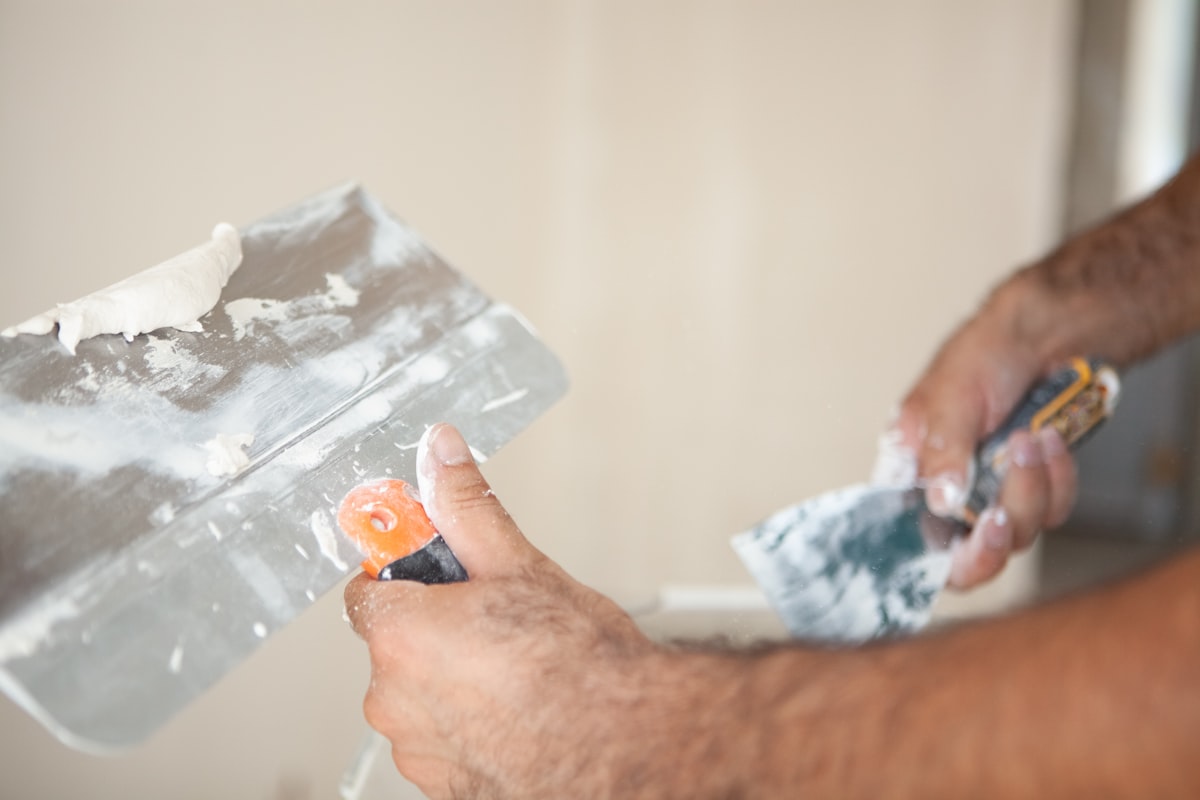
Reference photo: filling a wall surface before it is finished.
02 — PREPARING THE SURFACE
Most of the work happens
before the first coat.
In my experience, proper preparation matters as much as the visible finish. An expensive paint can’t make up for a surface that’s dirty, loose or badly repaired. Read from the top down, the layers look like this:
FINISH COATS
Chosen to suit the room and the surface, not just the colour.
PRIMING
Used where bare, patched or previously different surfaces need it.
FILLING & SANDING
Cracks, holes and dents are repaired, then smoothed so they don’t show through.
CLEANING & LOOSE MATERIAL
Dust, grease and flaking paint come off, so the new coats have something sound to hold on to.
03
03 — EXISTING CONDITIONS
What's under the old paint
Some conditions only show up once the existing finishes are removed. Old paint can lift during preparation, a patch can hide a bigger crack, or a wall can have damage that couldn’t be seen from the surface. If that happens, I’ll explain what I’ve found and go through the practical options with you before going any further.
Costs, timeframes and work requirements depend on the existing property, the materials you choose and the agreed scope. Any pricing I mention before a detailed written quotation is general guidance only.
04 — RELATED FINISHING WORK
Painting usually comes
at the end of a bigger job.
Painting is often the last stage, after tiling, plastering or flooring work. If you plan it as part of the same renovation, the surfaces only need preparing once and each stage is done in the right order.
A NOTE ON OTHER TRADES
Any electrical work, such as moving switches or light fittings before painting, is done by appropriately licensed specialists.
If you have walls, ceilings or exterior surfaces you’d like me to look at, tell me a little about them and we can talk through the scope.