02 — WALL & FLOOR TILING
Wall & floor tiling, planned from the surface up.
I install wall and floor tiles throughout the home and replace damaged or ageing tiles in Bentleigh and the surrounding Melbourne suburbs. Before I recommend a tile or an adhesive, I look at the surface it will go onto, because that surface decides how long the finish lasts.
The on-site assessment and the detailed written quotation are both free.
WHY PREPARATION COMES FIRST
A better tile can't fix a poor surface
In my experience, proper preparation matters as much as the visible finish. A more expensive product cannot make up for a surface that is unsuitable or poorly prepared.
That’s why every tiling job starts with an on-site assessment. I look at the existing conditions: the wall or floor as it is now, what is already on it and how the room is used. Then I suggest materials and an approach that suit what I’ve found.
You deal directly with me from that first visit through to completion. The person who assesses your surface is the same person who prepares and tiles it.
You can read more on Surface Preparation or in the guide Why Preparation Matters as Much as the Finish.
01 — SET-OUT: WALLS VERSUS FLOORS
01
Walls and floors are set out differently
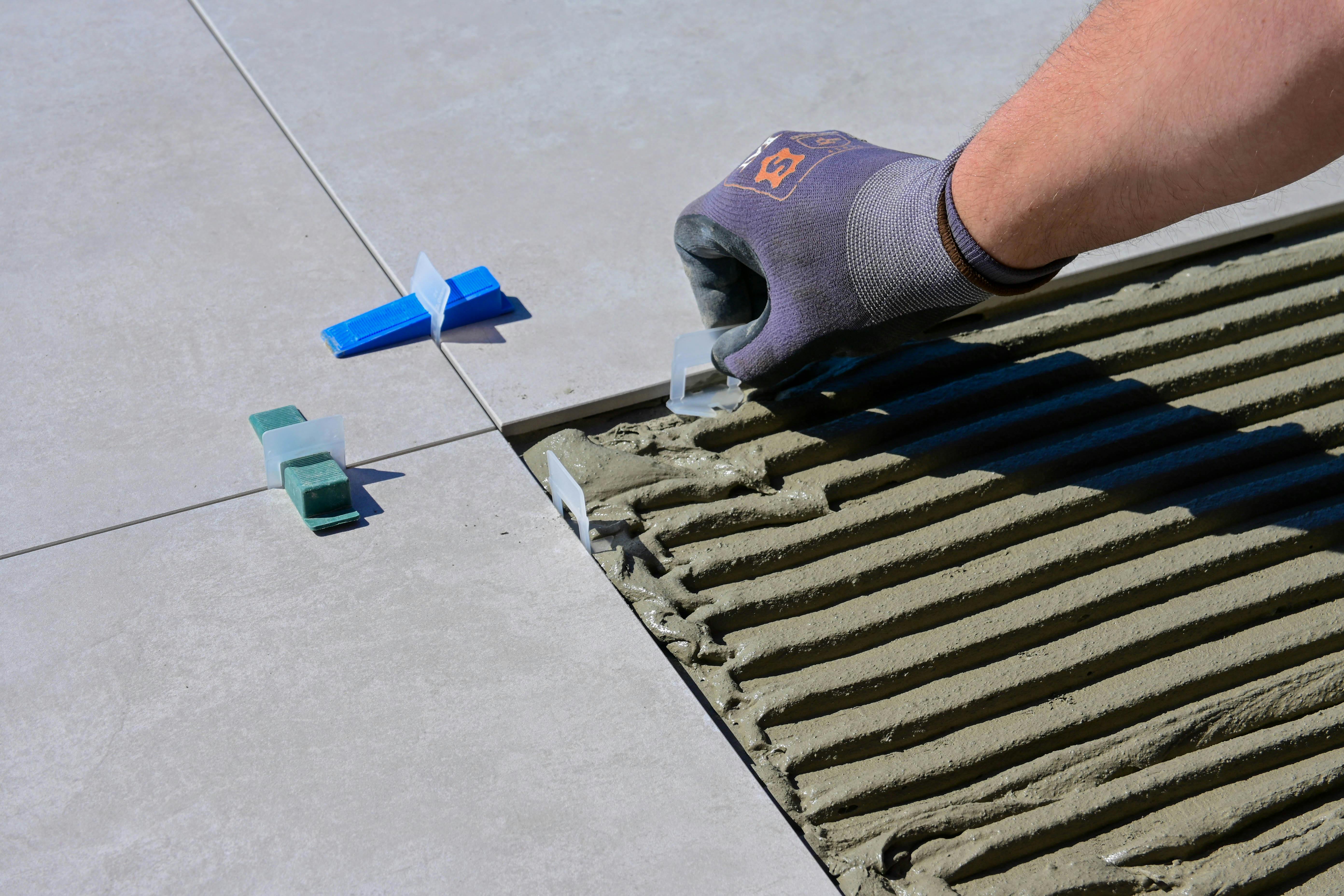
On a wall, I plan the rows from a level line so the cuts land evenly at the ceiling, at corners and around fittings, and so the joints line up with windows, benchtops or niches. On a floor, I set out from the doorway and the main sightlines, and plan where the tiles meet other floor coverings, so the cut tiles end up where you won’t notice them.
02 — PREPARING A WALL OR A FLOOR
02
Different surfaces, different preparation
Walls are often plasterboard, render or old tiles, so I check they’re firm, straight and suited to the tile you’ve chosen. Floors take foot traffic and furniture, so I look for movement, hollow spots and dips that a larger tile would show. The full layer-by-layer explanation is on the Surface Preparation page.
03 — REPLACE TILES OR RETILE
03
Replacing a few tiles or retiling the room
If only a handful of tiles are cracked or loose and the surface behind them is sound, replacing just those tiles can be the practical option, although an exact match for older tiles isn’t always available. If tiles are failing across the room, or the surface underneath has moved, retiling usually makes more sense. I’ll show you what I’ve found before you decide.
04 — EXISTING CONDITIONS
04
What the old tiles leave behind
Tiling over existing tiles, around old fittings or onto earlier patch repairs all raise their own questions, and so do moisture and movement. Some concealed conditions only become apparent once the existing finishes are removed. If that happens, I’ll explain what I’ve found and talk through the options before going any further. You can read more in What Can Be Hidden Behind Old Tiles.
Costs, timeframes and the work required depend on the existing property, the materials you choose and the agreed scope. Any pricing is general guidance only until it’s set out in a detailed written quotation.
WHERE I TILE
Walls and floors
throughout the home
Ch. 01
Bathrooms
Ch. 03
Kitchens
Ch. 04
Laundries
Ch. 06
Other floors and walls
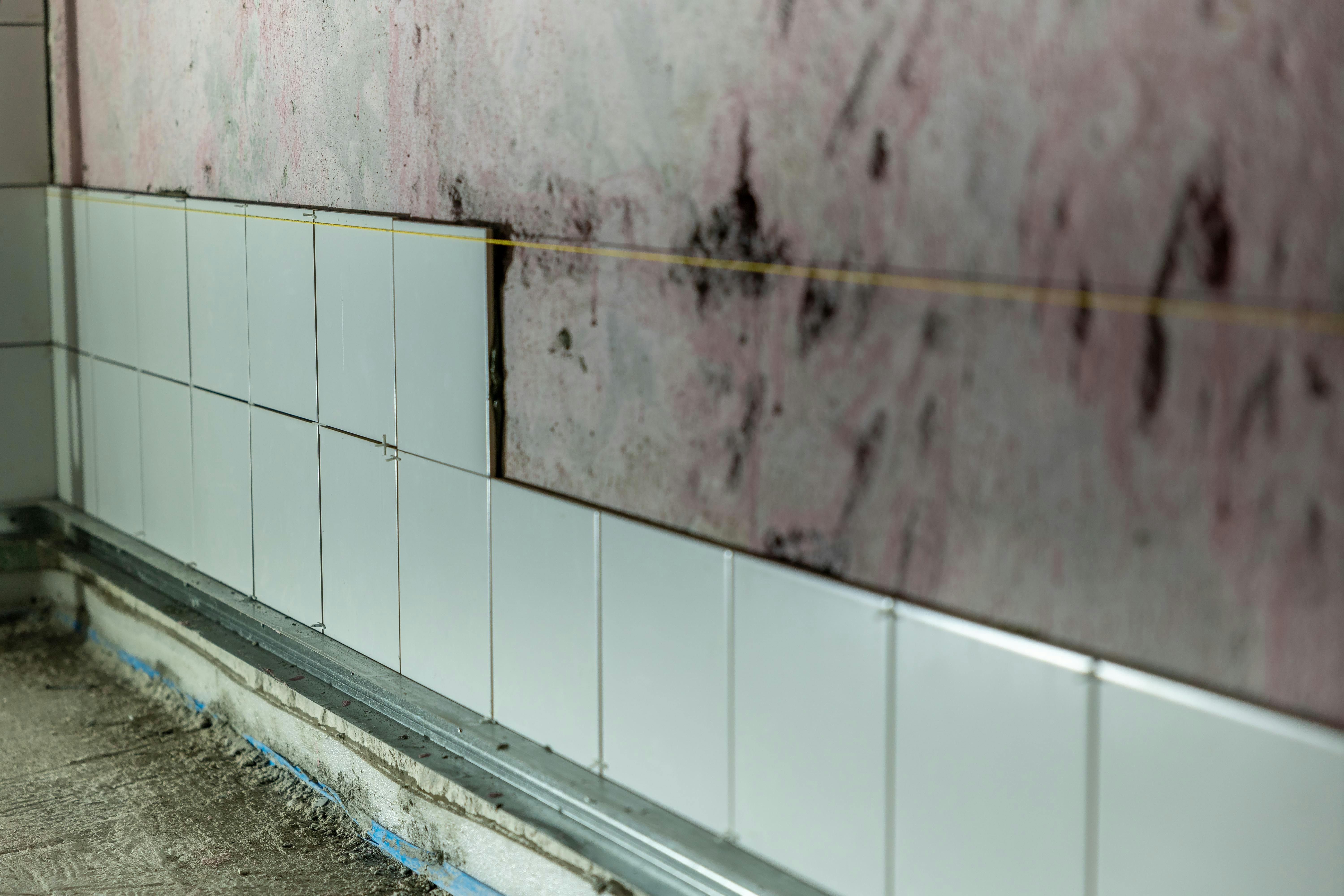
Wall tiles going up in rows, with a tape measure marking out the layout.
REPLACEMENT & REPAIRS
Damaged or ageing tiles
Cracked, loose or worn tiles usually point to something underneath. When I replace them, I look at why they failed so the new tiles aren’t laid over the same problem. Sometimes a repair is the practical answer and sometimes retiling makes more sense. Either way, I’ll tell you what I think and why.
Before you get in touch
— Your suburb
— The wall or floor, and the work you have in mind
— Photos, if you have them
See How to Prepare for an On-site Assessment, then Discuss Your Project →