GUIDE — MATCHING THE TILE TO THE ROOM
Choosing tiles that suit
the room, not just the look
Most people start with a colour or a style they like, and that’s a perfectly good place to start. A tile that lasts also has to suit how the room is used, how wet it gets and what it’s being laid onto. This guide covers the practical side, so you can bring a realistic shortlist to the on-site assessment.
01
START WITH THE SURFACE
The right tile depends on
what it's going onto
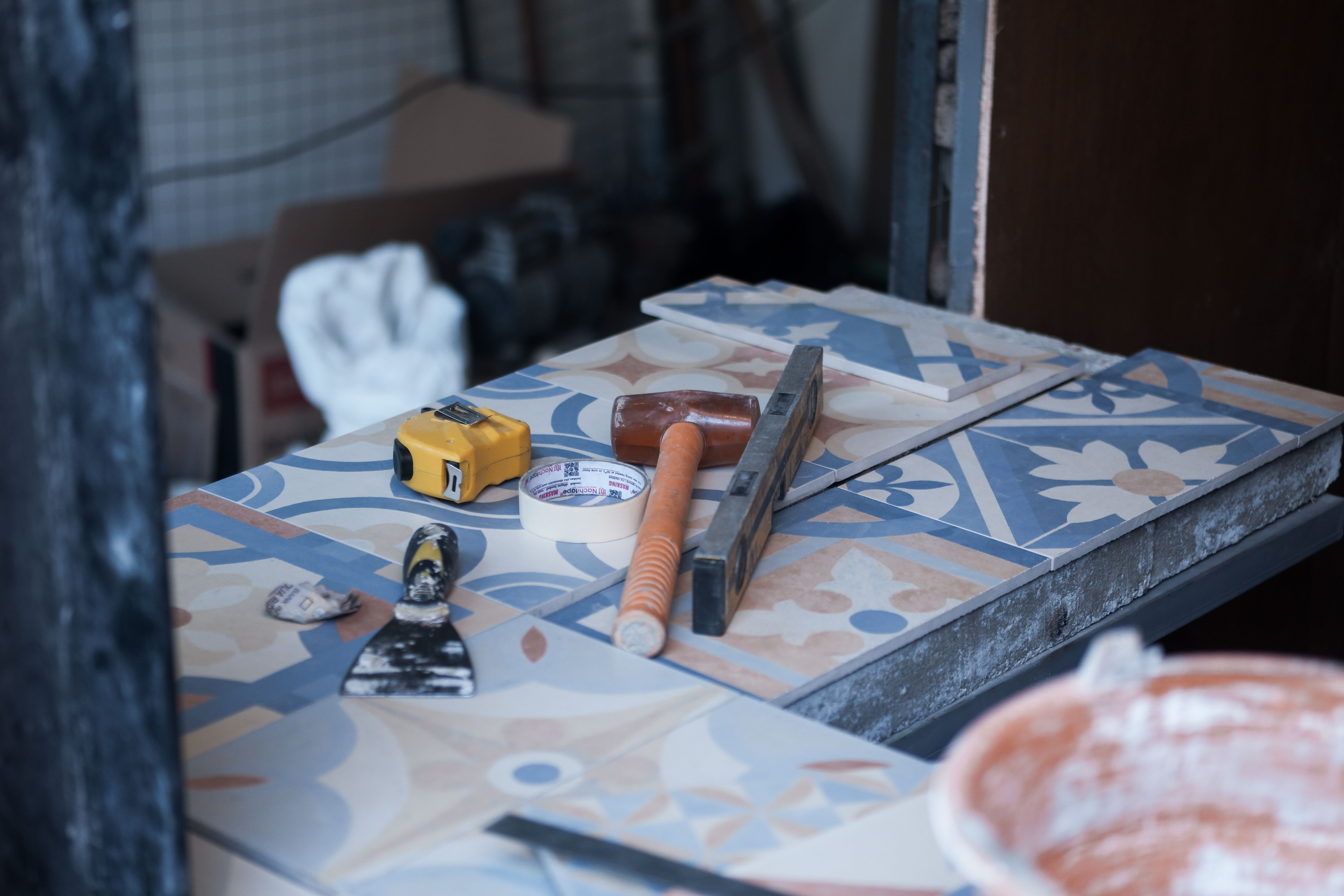
In my experience, proper preparation matters as much as the visible finish. A more expensive tile can’t make up for a surface that’s unsuitable or poorly prepared. Before deciding on size, weight or format, it helps to know what the tile will sit on: an existing floor, a wall that may not be flat, or old tiles that may need to come off.
02 — BATHROOMS
Wet floors,
splashed walls
Bathroom floors get wet underfoot, so slip resistance matters more than in most rooms. Shower floors usually suit smaller tiles that can follow a fall towards the drain. On walls, think about how easy the tile and grout will be to clean around the shower and vanity. In wet areas the tile is only the visible layer, so what goes behind it is something I go through for your specific room.
02 — KITCHENS
Splashbacks
and busy floors
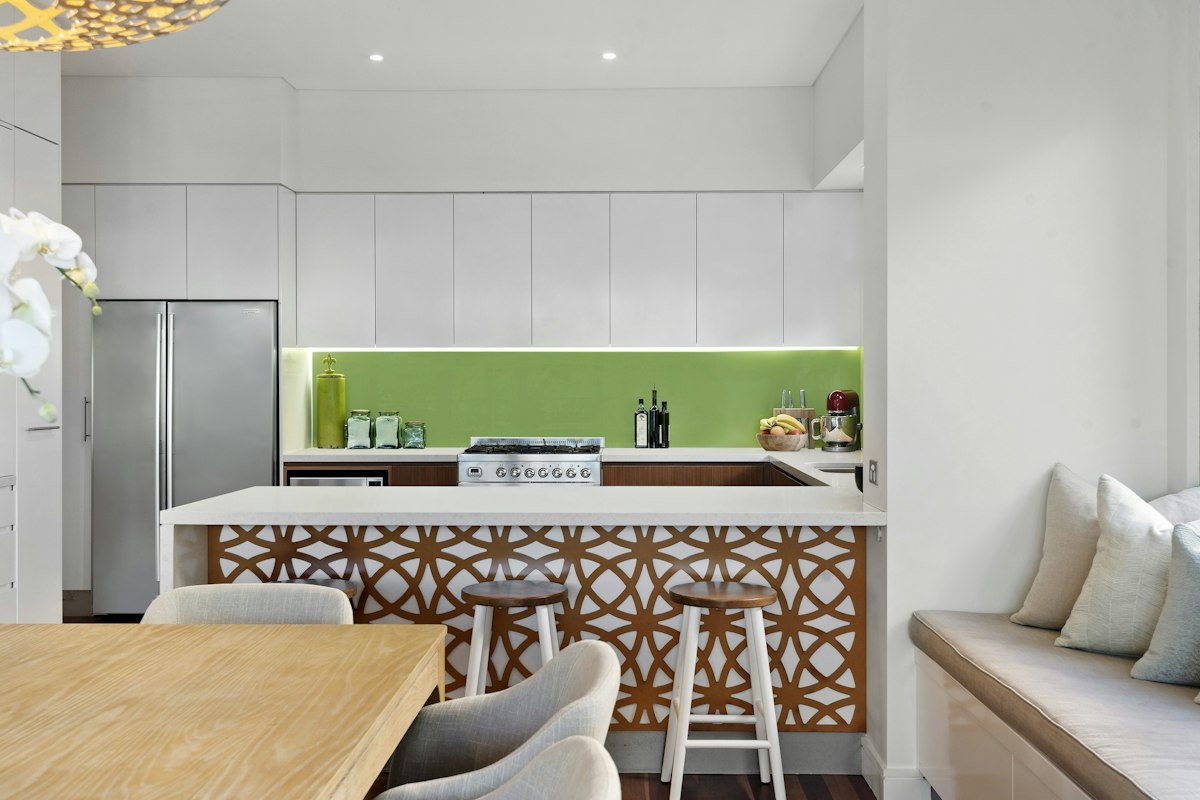
A splashback has to cope with grease, heat near the cooktop and frequent wiping, so a surface that cleans easily usually makes daily life simpler. Kitchen floors take constant foot traffic and the odd dropped pan. A durable tile in a colour that doesn’t show every mark is often a sensible choice. Power points and window edges also affect how a splashback layout works.
02 — LAUNDRIES
Practical first,
always
Laundries tend to be small, busy and occasionally wet. Floor tiles that stay manageable when damp and grout that hides wear can matter more here than a statement finish. Walls behind the tub and around the machines get splashed and knocked, so a hard-wearing, easy-clean tile usually earns its place.
03 — QUESTIONS TO ASK ABOUT ANY TILE
Five questions before
you commit
Is it made for floors, walls or both? Some tiles are intended only for walls. Check before choosing one for a floor.
Will it be slippery when wet? Ask the supplier about slip resistance for bathroom and laundry floors.
How does it suit the surface? Size and weight should suit the condition of the existing floor or wall.
How much cleaning will it need? Textured surfaces and light grout look great but can take more upkeep.
Can you keep a few spares? A box set aside makes a future repair far easier to match.
04 — BRINGING YOUR SHORTLIST
Talk the options through
where the tiles will go
You don’t need a final choice before getting in touch. If you have a few favourites, bring them to the free on-site assessment. I can look at them against your existing surfaces and talk through any practical trade-offs. Costs, timing and the work involved depend on the existing property, the materials you choose and the agreed scope. Any figures I give you are general guidance until they’re set out in a detailed written quotation.